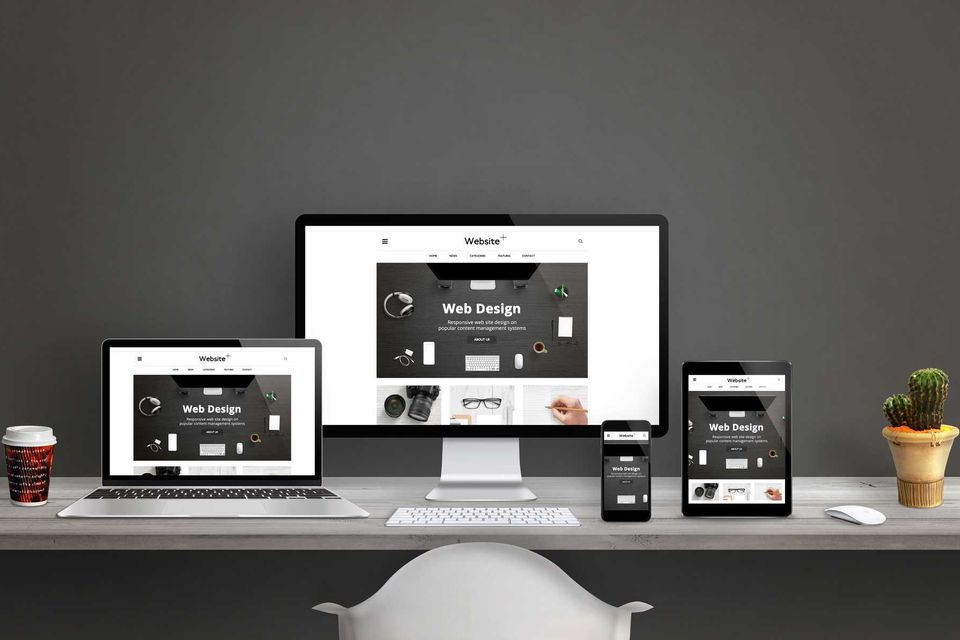
Every small business needs a website, but not just any website. A site that's slow, hard to use on a phone, or vague about what you do can cost you more customers than having no site at all. This guide pulls together what we've learned building and auditing small business websites around Godley, Johnson County and Dallas-Fort Worth: why your website matters, the 8 things it needs, and the 7 signs it's time for a new one.
Why Your Website Still Matters
Your social pages and Google Business Profile are important, but your website is the one place online that you fully control. It does work that nothing else does:
-
It's open 24/7. Customers can learn about you, check your services and contact you after hours, which is when many people shop around.
-
It backs up your Google listing. Google, and AI assistants like ChatGPT and Gemini, look at your website to confirm what you do and where you work before recommending you.
-
It shows proof. Photos of your work, reviews and clear pricing build trust before anyone picks up the phone.
-
It gives you data. With analytics in place, you can see which pages people visit, where they come from, and how many call or fill out a form.
8 Things Every Small Business Website Needs
1. A Short, Memorable Domain
Your web address should be easy to say, spell and remember, and ideally match your business name. Avoid hyphens and odd spellings that people will get wrong.
2. A Professional, Fast-Loading Design
First impressions happen in seconds. Use clean layouts, real photos of your work and your team, and consistent brand colors. Keep image sizes reasonable: a beautiful page that takes eight seconds to load on a phone loses people before they see it.
3. Simple Navigation
Visitors should find your services, pricing and contact information in one or two taps. Keep the menu short and use plain labels like "Services," "Pricing" and "Contact" instead of clever ones.
4. A Mobile-First Layout
Most local searches happen on a phone. Text needs to be readable without zooming, buttons need to be big enough to tap, and your phone number should be one tap away.
5. A Clear Call to Action on Every Page
Tell visitors exactly what to do next: call, book, request a quote or get a free demo. Put that button near the top of each page and again at the bottom.
6. Search-Friendly, Local Content
Each page should have a unique title and description, one clear main heading, and content that names your services and the towns you serve. Adding local business details in the background of your site (structured data) helps Google and AI assistants connect your website to your business listing.
7. Easy-to-Find Contact Information
Show your phone number, service area and hours on every page, usually in the header or footer, plus a contact page with a short form. Make sure they match your Google Business Profile exactly.
8. Reviews and Testimonials
Customers trust other customers more than they trust marketing copy. Feature real reviews with names and the service provided, and link to your Google reviews. You can see how we do this on our own
testimonials page.
7 Signs You Need a New Website
1. You Don't Have One Yet
If customers can only find you on Facebook, you're missing people who search Google first, and you don't own the page they land on. See
why a Facebook page is not a substitute for a website.
2. It Looks Outdated
Old fonts, stock photos and cluttered layouts make visitors wonder if you're still in business. If your site hasn't been updated in several years, it's probably time.
3. It's Hard to Use on a Phone
Pinching to zoom, tiny buttons or menus that don't open are signs your site wasn't built for mobile.
4. It Isn't Bringing In Leads
If people visit but don't call or fill out forms, the problem is usually unclear messaging or a missing call to action, not traffic.
5. Business Has Slowed Down
When referrals and repeat customers flatten out, an outdated website often means you're losing new customers to competitors who show up better in search.
6. Visitors Leave Right Away
If your analytics show most visitors leaving after one page with very short visits, they aren't finding what they expected. Better headlines, faster pages and clearer next steps help.
7. It Isn't Secure
Browsers warn visitors about sites without HTTPS. Every modern website should have an SSL certificate, especially if it collects contact or payment information.
How to Check Your Own Site in Two Minutes
Run your homepage through our free
Website Grader. It scores mobile experience, conversion, findability and trust, and lists your top issues. When we ran this kind of audit on our own website, it flagged missing business details in the code, duplicate headings and old pages that no longer redirected. We fixed every one of them, the same way we would for a client.
Ready for a Website That Works?
We build affordable, mobile-friendly small business websites that are set up for search and AI from day one, and we start with a free, no-obligation demo.
Request your free demo or call
(469) 500-2006.